Different Ways to Maintain Steel Carports 

Steel carports, with their durability and resilience, have gained popularity as efficient shelter solutions for cars, RVs, and even outdoor social spaces. However, like any other structure, they require routine maintenance to extend their lifespan and keep them looking good.  
Different Ways to Maintain Steel Carports 

Here are different ways to maintain your Show Low, AZ steel carports

1. Regular Cleaning 

The simplest, yet most effective way to maintain a steel carport is by cleaning it regularly. Remove debris such as leaves, branches, or snow that might accumulate on the roof. Use a broom or blower for this purpose, ensuring the weight does not cause damage or encourage rust formation. For the walls, use a mild detergent mixed with water and a soft brush to scrub away dirt and grime. Rinse with clean water and allow it to dry thoroughly. 

2. Rust Prevention and Treatment 

While steel carports are often made of galvanized steel, rust can still become an issue in certain conditions. Regularly inspect your carport for any signs of rust, paying special attention to areas where water tends to pool. If you spot rust, use a wire brush to scrub it off, then apply a rust converter followed by a rust-resistant paint. Consider applying a rust-proof coating on your carport every few years for added protection. 

3. Check for Damage 

Regularly inspect your steel carport for any signs of damage, such as dents, scratches, or bent components, especially after severe weather. Small issues can quickly become big problems if left unaddressed. Replace damaged parts promptly and consider having a professional assess the structure if you spot any major damage. 

4. Tighten Loose Bolts 

Over time, bolts and screws on your steel carport can loosen due to wind and regular use. Regularly check all fasteners and tighten any that are loose. This not only helps maintain the stability of the structure but also prevents any possible damage that might occur due to parts shaking or moving. 

5. Repaint When Necessary 

While steel carports come with a baked-on enamel paint that lasts a long time, you might need to repaint it eventually. This could be due to scratches that expose the steel, or simply because the color has faded over time. Use paint that’s designed for outdoor use on metal and can withstand various weather conditions. 

6. Check for Leaks 

After heavy rain or snow, check your carport for any leaks. If you find a leak, it’s important to address it immediately to prevent any further damage. This might involve resealing joints or replacing certain sections of the carport. 

7. Anchor Inspection 

Anchors secure the carport to the ground and are crucial for its stability, especially in high winds. Inspect your carport’s anchors regularly to ensure they remain in good condition and are secure. If you notice any problems, it’s advisable to get a professional to check them. 

8. Professional Inspections 

While routine maintenance can be done yourself, consider having a professional inspection every few years. They can spot potential issues that you might miss and provide expert advice on maintenance and repairs. 

Conclusion: Different Ways to Maintain Steel Carports  

With regular care and attention, your steel carport can continue to look great and serve its purpose for many years. Remember, maintenance is always easier and cheaper than repairs, so make it part of your routine to check your carport’s condition and address any issues promptly. 
Ways to Clean the Dryer-Vent Correctly 

Cleaning your dryer vent is a crucial but often overlooked task in home maintenance. A clogged vent can increase your energy costs, reduce the efficiency of your dryer, and even pose a potential fire hazard. To keep your dryer functioning optimally, here are some tried-and-true techniques to clean your dryer vent effectively. 

Ways to Clean the Dryer-Vent Correctly 

Before you start, ensure you have the right tools: a dryer vent brush kit, a vacuum cleaner with a long hose attachment, a screwdriver, and a lint trap brush. Additionally, remember to unplug your dryer before starting the cleaning process to avoid any potential safety issues when doing Reno dryer-vent cleaning

1. Clean the Lint Trap 

The lint trap is the easiest part to clean and should be done after every load of laundry. To clean it, remove the lint by hand, then use a lint trap brush to scrub off any remaining lint. You can also rinse it with warm water and mild soap to get rid of any residual fabric softener. Let it air dry completely before putting it back. 

2. Disconnect the Dryer Duct 

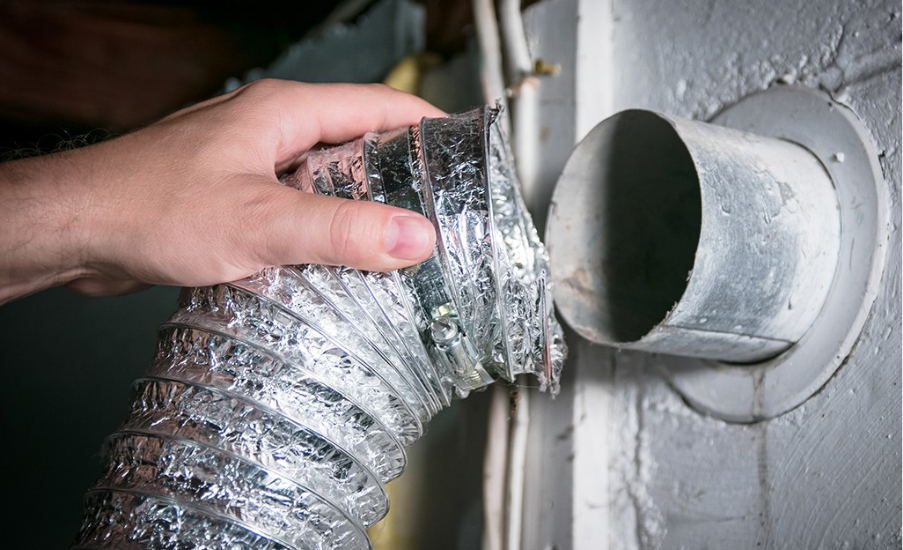
Next, pull the dryer away from the wall and disconnect the dryer duct, a flexible pipe that connects the dryer to the outside vent. Use your screwdriver to loosen the clamp that holds the duct to the dryer. Be careful not to damage the duct, as this could lead to leaks in the future. 

3. Brush and Vacuum the Duct 

Now it’s time to clean the duct. Feed a dryer vent brush into the duct and gently push it through to remove lint buildup. The brush’s bristles will collect the lint, which you can then pull out with the brush. It’s recommended to clean as far into the duct as you can reach, but be careful not to push the lint further in. 

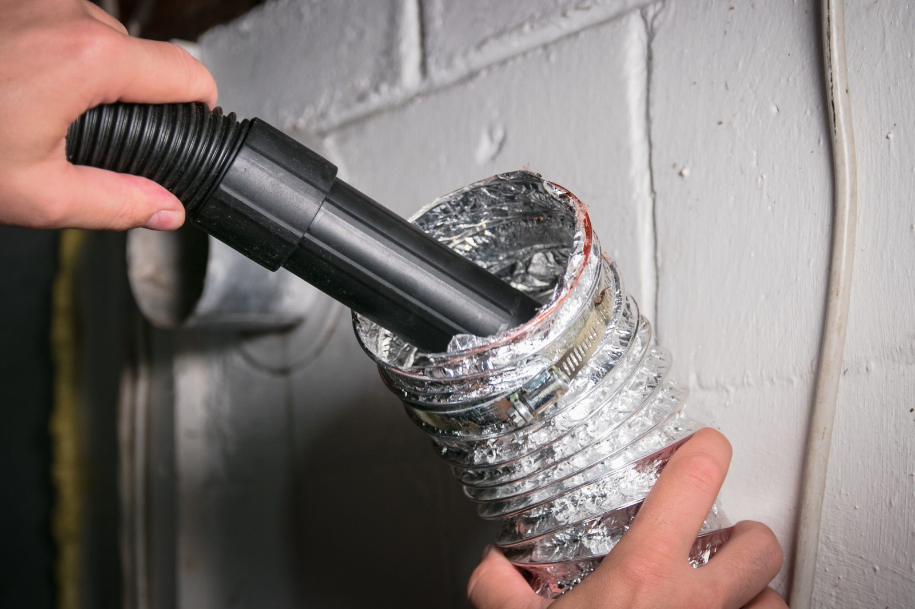
For a more thorough cleaning, use a vacuum cleaner. Attach the long hose to your vacuum and feed it into the duct. Vacuum up the loosened lint. Repeat this step several times to ensure you’ve got as much lint as possible. 

4. Clean the Vent on the Outside of Your House 

The vent that expels air from your dryer to the outdoors also needs attention. Reach in as far as you can, either with a vent brush or your hand, and remove any accumulated lint. Vacuum this area too if necessary. 

5. Reconnect Everything 

After ensuring everything is clean, reconnect the dryer duct and secure it with the clamp. Push the dryer back into place, taking care not to crush the duct. Plug the dryer back in, turn it on and ensure its expelling air properly. 

6. Schedule Regular Cleaning 

As a rule, clean your dryer vent at least once a year. However, if you use your dryer frequently or notice it takes longer for clothes to dry, you may need to clean it more often. 

Conclusion: Ways to Clean the Dryer-Vent Correctly  

Dryer vent cleaning might seem like a tedious task, but it’s essential for the efficient functioning of your appliance and, more importantly, for your home’s safety. By following these steps, you will not only increase the lifespan of your dryer but also reduce your energy bills and mitigate potential fire risks. Start marking your calendar for regular dryer vent maintenance and enjoy the peace of mind that comes with a well-functioning, safe appliance. 

What Are Some Common Problems of Dryer-Vent? 

For most homeowners, a clothes dryer is an essential part of the household appliance suite, providing a time-saving convenience that’s hard to forgo. However, problems can arise with the dryer vent system that may lead to decreased efficiency or even safety hazards.  

What Are Some Common Problems of Dryer-Vent? 

Here are some of the most common Reno dryer-vent cleaning and problems, their potential risks, and how to handle them. 

1. Lint Buildup 

Lint accumulation is arguably the most prevalent dryer vent issue. As you use your dryer, lint from clothing gets trapped in the vent. Over time, this can cause a significant blockage, leading to decreased drying efficiency and increased energy consumption. In extreme cases, lint buildup can cause overheating and potential fire hazards. To prevent this, regular vent cleaning, as often as every six months to a year, is advised. 

2. Improper Vent Material 

Not all materials are suitable for dryer vents. Plastic or vinyl ducts, for instance, can easily sag, creating traps for lint. Furthermore, they can quickly melt or catch fire under high temperatures. It’s recommended to use rigid or flexible metal venting material to ensure safety and efficiency. 

3. Poor Vent Design 

Poor design or installation can lead to several issues. For example, vents with many bends and turns can accumulate more lint and are harder to clean. Ideally, the vent should have as straight a path as possible from the dryer to the exterior of the home. Another design problem could be a vent that’s too long, which can strain the dryer’s ability to expel moist air efficiently. 

4. Exterior Vent Blockages 

The exterior vent cap is crucial to prevent rodents, birds, or other elements from entering the vent. However, it’s also a common spot for lint to accumulate. Additionally, snow, ice, or other weather conditions can block the exterior vent, hampering the dryer’s performance. Regularly checking the outdoor vent cap for obstructions can prevent this issue. 

5. Vent Hood Issues 

An improperly functioning vent hood can allow cold air back into the home, causing an increase in heating costs. Additionally, a faulty or missing vent hood can let rain or snow enter, leading to moisture problems inside the duct. Ensure the vent hood is not only present but also functioning correctly. 

6. Inadequate Vent Size 

Industry standards recommend a 4-inch diameter vent for most home dryers. If your vent’s diameter is smaller, it could negatively affect your dryer’s performance and potentially cause overheating. 

7. Crushed or Kinked Vent Hose 

Sometimes, in the process of installing a dryer, the vent hose may become crushed or kinked, especially if the dryer is pushed too close to the wall. This can lead to restricted airflow, resulting in the dryer having to work harder and longer. 

Conclusion: What Are Some Common Problems of Dryer-Vent?  

To ensure your dryer vent system works optimally and safely, address these common issues promptly. Regular maintenance, including routine cleaning and inspections, is vital. If you’re unsure or uncomfortable dealing with these issues yourself, don’t hesitate to call a professional. Investing in proper care and servicing of your dryer vent system can save you money in the long run, not to mention providing peace of mind for the safety of your home and family.